- More than a simple rental, it´s an Experience in a Jeep

Puerto Rico’s hidden beaches are not necessarily inaccessible or secret. Many are simply located beyond the busy resort areas and familiar tourist routes, waiting for travelers willing to explore more of the island.
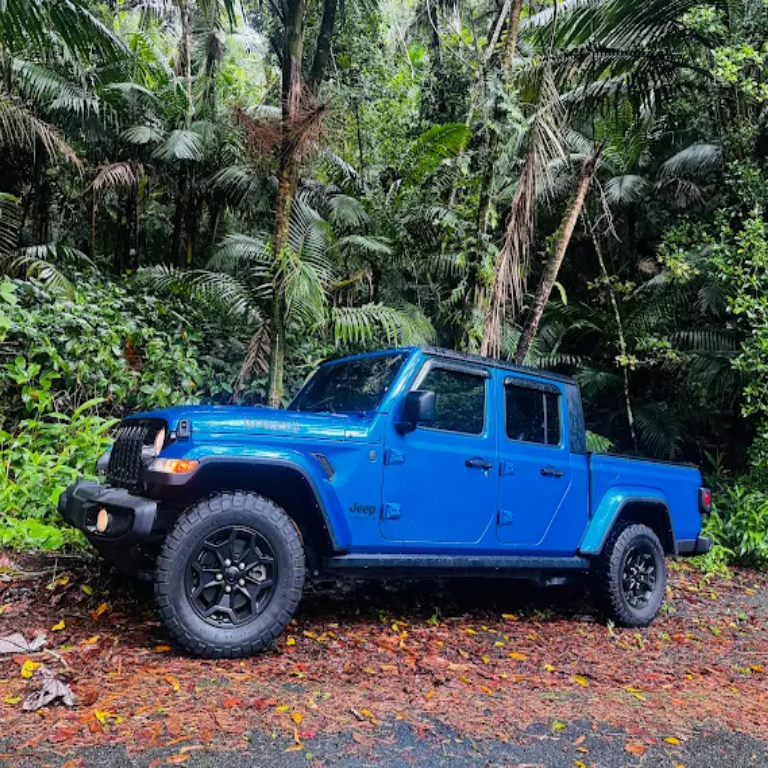
Renting a Jeep in San Juan gives you the freedom to create your own Puerto Rico beach road trip, carry everything you need, and travel comfortably across different regions. Although a 4×4 is not required for every beach on this list, its space and versatility make it an excellent choice for navigating coastal roads and changing driving conditions.
This guide focuses on hidden beaches located on Puerto Rico’s main island and approachable through established roads and legal access points. You will not need to enter restricted property or drive across beaches, dunes, or protected coastal land.
Ready to explore Puerto Rico beyond its most famous attractions? Add these ten beaches to your Jeep road-trip itinerary.
Best for: Surfing, photography, and rugged coastal scenery
Wilderness Beach offers one of the most adventurous coastal experiences in northwestern Puerto Rico. Located along the Punta Borinquen coastline, this undeveloped beach is known for its open landscape, powerful Atlantic waves, and relaxed surfing atmosphere.
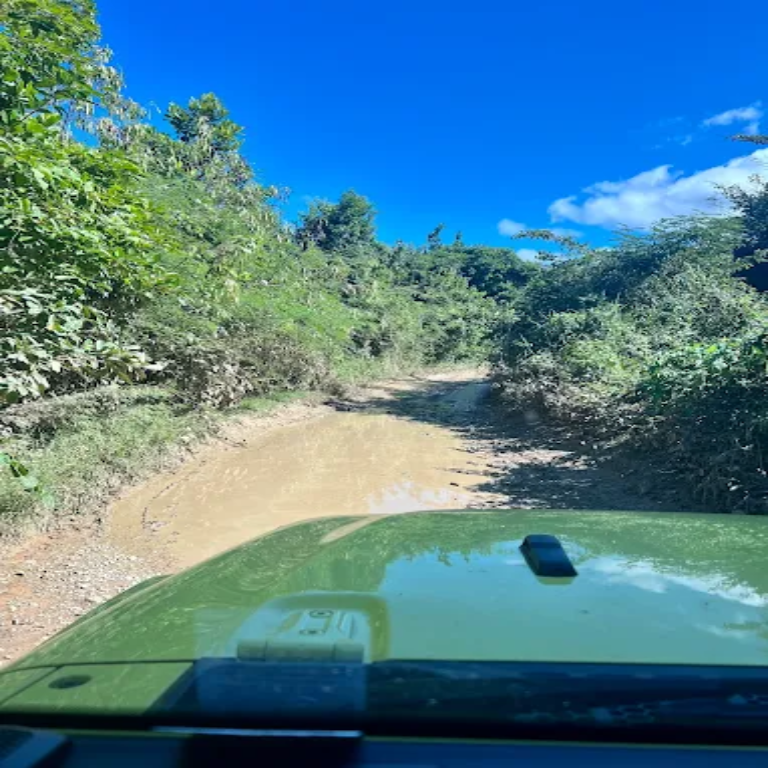
The access route has included uneven and unpaved sections whose condition may change after heavy rain. Many vehicles can complete the drive when conditions are favorable, but a Jeep’s ground clearance can make the journey more comfortable.
Wilderness frequently experiences strong waves and currents. It is best suited to experienced surfers and travelers interested in walking, photography, and coastal views rather than inexperienced swimmers.
Road-trip idea: Combine Wilderness with other beaches and scenic stops around Aguadilla instead of making the long journey from San Juan for a single destination.
Best for: Long walks, photography, and Atlantic views
Playa El Pastillo is a peaceful coastal destination in Isabela surrounded by vegetation and dramatic limestone formations. Its expansive Atlantic views and undeveloped setting make it an attractive alternative to the municipality’s busier beaches.
El Pastillo is better suited to walking, relaxing, and photography than swimming. Waves and currents can be powerful, and visitors should evaluate conditions carefully before approaching the water.
The beach can be incorporated into a longer drive through Isabela, a region known for its coastal scenery, surfing culture, natural pools, and local restaurants.
Road-trip idea: Visit El Pastillo early and continue toward Quebradillas to explore Puerto Hermina and the Guajataca area.
Puerto Hermina is found at the end of a winding road in Quebradillas. Its secluded location, sandy shoreline, surrounding cliffs, and nearby historic ruins make it one of the most distinctive hidden beaches in Puerto Rico.
Local tradition associates the ruins with the pirate Roberto Cofresí, although historians consider it more likely that the structure served as a military post or customs facility. Either way, the site adds an intriguing historical element to the beach experience.
Puerto Hermina is known for strong waves and rip currents, making it more appropriate for experienced surfers, sunbathing, and sightseeing than casual swimming.
Road-trip idea: Pair Puerto Hermina with Guajataca Beach, the historic railway tunnel, or a stop in the town of Quebradillas.
Playa Sardinera is a small cove in Hatillo that is frequently overlooked by visitors traveling directly between San Juan and western Puerto Rico. Coastal rocks provide some protection from the open Atlantic, giving the beach a different character from the region’s exposed surfing destinations.
Its relatively convenient location makes it easy to include in a north-coast road trip. Travelers can combine the beach with local seafood restaurants, viewpoints, and other attractions around Hatillo and Arecibo.
Even in protected coves, water conditions can change. Observe the ocean and any posted warnings before swimming or snorkeling.
Punta Santiago allows travelers to experience eastern Puerto Rico beyond the island’s major resorts. The beach is located near restaurants and local businesses and generally offers more convenient parking than many smaller coastal destinations.
The nearby Humacao Natural Reserve adds hiking, cycling, birdwatching, kayaking, and lagoon scenery to the experience. This makes Punta Santiago particularly useful for travelers who want to combine beach time with other outdoor activities.
Its location also makes it a practical first stop on a longer road trip through Yabucoa, Maunabo, Patillas, and Arroyo.
Yabucoa’s beaches generally receive fewer international visitors than the famous coastlines of Luquillo, Rincón, and Cabo Rojo. El Cocal is one of the municipality’s most attractive coastal stops, with golden sand, turquoise water, and rock formations along the shoreline.
The drive through Yabucoa is an important part of the experience. Mountains, agricultural land, and views of the Caribbean create a scenic transition between Puerto Rico’s eastern and southern regions.
Rock formations at El Cocal can create a more protected section of water when conditions are suitable. However, tides and waves change throughout the day, so visitors should always evaluate the ocean before entering.
Los Bohíos Beach, also known as Playa Negra, is one of Maunabo’s most distinctive natural attractions. Its dark sand contrasts with the surrounding vegetation, mountains, and blue water, creating an excellent setting for coastal photography.
Unlike black-sand beaches that require travel to one of Puerto Rico’s smaller islands, Los Bohíos can be included in a road trip around the main island. Its location also makes it possible to explore the Punta Tuna Lighthouse area and other viewpoints around Maunabo.
Los Bohíos represents what “hidden” means in this guide: it is not inaccessible, but it is frequently absent from conventional tourist itineraries.
Inches Beach is a small destination in Patillas known primarily within Puerto Rico’s surfing community. Its location makes it a natural stop when traveling between Maunabo, Patillas, and Arroyo.
Despite its position on the Caribbean side of the island, Inches can receive powerful waves. Rocky and reef sections require caution, particularly from visitors unfamiliar with the area. When conditions are rough, watching experienced surfers from the shore may be the safest way to appreciate the beach.
The surrounding route also provides access to coastal views, fishing communities, and local restaurants rarely included in traditional San Juan itineraries.
Punta Guilarte provides a balance between coastal scenery and convenient access. Located in Arroyo, it remains outside Puerto Rico’s busiest tourism corridors but offers a more developed experience than several smaller beaches on this list.
Its location makes it a practical stop on a route through Patillas, Arroyo, and Guayama. Depending on current operations, visitors may find recreational facilities or designated camping opportunities. Anyone interested in camping should verify availability and reservation requirements in advance.
Punta Guilarte is a good place to rest after exploring less-developed beaches along the southeastern coast.
Best for: Caribbean scenery and completing a southern itinerary
Playa Santa is better known among Puerto Rican beachgoers than some other destinations on this list. Nevertheless, many travelers staying in San Juan overlook it because of its location on the southwestern coast.
Its broad shoreline, clear-looking Caribbean water, and nearby food and recreational options make it an excellent destination after a long drive. The surrounding region also offers local restaurants, coastal communities, and access to the landscapes around the Guánica Dry Forest.
Because the journey from San Juan can take several hours depending on traffic, consider staying overnight in southern or western Puerto Rico. This gives you more time to explore without turning the experience into a rushed round trip.
Puerto Rico may appear compact on a map, but its beaches are distributed across regions with different landscapes and driving conditions. A Jeep allows travelers to move comfortably between highways, secondary coastal roads, and authorized unpaved routes while carrying everything required for the day.
The additional space is particularly useful for transporting:
A Jeep provides freedom and versatility, but it does not grant access to restricted areas. Always remain on established roads, respect gates and signs, use authorized parking, and avoid driving across beaches, dunes, mangroves, or protected land.
Trying to visit all ten beaches in one or two days would leave little time to enjoy them. A better strategy is to choose one region for each day of your trip.
Pair Punta Guilarte with other attractions around Arroyo and Guayama. Reserve a separate day or an overnight trip for Playa Santa and the Guánica region.
Before departing, check the weather and surf forecast, download maps for offline use, and confirm current access and parking conditions. Storms, flooding, coastal erosion, and maintenance work can temporarily affect roads and beach facilities.
1. Do you need a 4x4 to explore hidden beaches in Puerto Rico?
A 4x4 is not strictly required for every destination. However, a Jeep can provide greater comfort, cargo space, and versatility when traveling on secondary roads or encountering uneven surfaces.
2. What hidden beaches can you visit from San Juan?
Travelers can visit beaches along Puerto Rico’s northern, northwestern, eastern, and southern coasts from San Juan. Playa Sardinera and Punta Santiago are suitable for shorter regional trips, while Aguadilla, Maunabo, and Guánica require more driving time.
3. Can you drive a rental Jeep onto beaches in Puerto Rico?
Visitors should remain on established roads and park only in authorized areas. Driving across sand, dunes, mangroves, or protected coastal land can damage sensitive ecosystems and may violate local rules or rental conditions.
4. Are hidden beaches in Puerto Rico safe for swimming?
Safety depends on the beach, weather, tides, and daily ocean conditions. Some destinations on this list are better for surfing, walking, or photography. Observe posted warnings and avoid entering unfamiliar water during rough conditions.
5. What should you bring on a Puerto Rico beach road trip?
Bring water, snacks, sunscreen, towels, dry clothing, a phone charger, downloaded maps, and bags for carrying out trash. Less-developed beaches may not have restaurants, restrooms, lifeguards, or equipment rentals.
6. How many days do you need for a Puerto Rico Jeep road trip?
Plan at least three days if you want to explore several regions without rushing. Dedicate one day to the north or northwest, another to the southeast, and a third to southern or southwestern Puerto Rico.


Discover Puerto Rico at Your Own Pace
Puerto Rico’s most rewarding experiences are not limited to its famous attractions. Sometimes, the best part of the journey is following a coastal road, stopping in an unfamiliar town, and discovering a beach you had never heard about before your trip.
At BucketList Stay, we offer reliable 4×4 Jeep rentals in San Juan for travelers who want the freedom to explore Puerto Rico at their own pace. Every rental includes personalized assistance with local routes, hidden gems, practical travel tips, and must-see attractions.